
Your Immigration Case Was Denied – Now What?
When an immigration judge hands down an unfavorable decision, it can feel overwhelming. But a denial from an immigration court in Houston is not the final word. The U.S. immigration system provides multiple levels of appeal, giving you opportunities to present your case and fight for the outcome you deserve.
Whether you’ve received a removal order, had an asylum claim denied, or faced rejection on another immigration matter, the appeal process offers a structured path forward. The key is understanding your options quickly, as immigration appeals come with strict deadlines that cannot be extended.
💡 Pro Tip: Mark your calendar immediately – you typically have just 30 days from the date your decision is mailed or orally rendered by an immigration judge to file an appeal with the Board of Immigration Appeals. The 30-day period starts from the date the decision is mailed or orally stated, with no additional days provided for delivery in immigration judge appeals. (A 3-day mailing extension does apply to appeals of USCIS officer decisions, but not to immigration judge appeals.) Missing this deadline could permanently close the door on your case.
Facing an immigration setback in Houston can feel daunting, but you’re not alone. Angela Faye Brown & Associates is here to help you navigate the appeal process with determination. Don’t wait another moment—reach out today by calling 713-936-2677 or contact us to take the next step toward defending your rights.
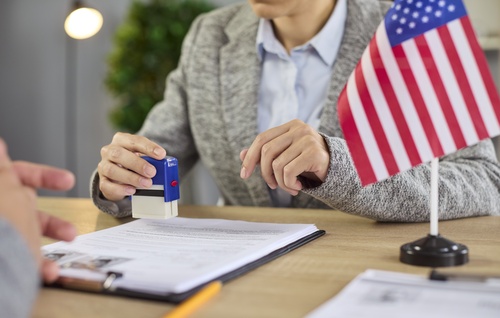
Understanding Your Right to Appeal Immigration Decisions
The immigration appeals process follows a clear hierarchy beginning with the Board of Immigration Appeals (BIA) and potentially extending to the U.S. Supreme Court. According to federal law, a petition for review filed with an appropriate court of appeals is "the sole and exclusive means for judicial review of an order of removal."
Your appeal rights depend on the type of decision you’re challenging. For immigration judge decisions, you must file Form EOIR-26 with the Board of Immigration Appeals within the specified timeframe. Appeals of DHS officer decisions require Form EOIR-29 and must be filed within 30 days. The law sets a high standard, stating that administrative findings are conclusive unless any reasonable adjudicator would be compelled to conclude otherwise.
All appeals and attachments must be in English or accompanied by certified translations. If you have legal representation, Form EOIR-27 must be filed with your Notice of Appeal. These procedural requirements might seem minor, but failing to comply can result in your appeal being rejected without consideration of its merits.
💡 Pro Tip: Always send your appeal via certified mail with return receipt requested for proof of timely filing.
Critical Deadlines and Timeline for Immigration Appeals
Time is critical in immigration appeals. The statutory deadline requires that a petition for review must be filed not later than 30 days after the final order. While this deadline is mandatory, it is considered a non-jurisdictional claim-processing rule and, in extraordinary circumstances and under strict standards, may be subject to waiver, forfeiture, or equitable tolling.
- Initial Appeal to BIA: You have 30 calendar days from the date the decision is mailed or orally rendered by the immigration judge to file your appeal with the Board of Immigration Appeals, including weekends and holidays. The 30-day period starts from the date the decision is mailed or orally stated; no additional days are provided for delivery in immigration judge appeals.
- BIA Review Period: The Board typically takes 6-12 months to review cases, though detained cases may receive faster consideration with 21-day briefing periods.
- Federal Court Appeal: If the BIA denies your appeal, you have another 30 days to file a petition for review with the Fifth Circuit.
- Federal Court Briefing: You must file your brief within 40 days after the administrative record becomes available, with reply briefs due within 14 days.
- Supreme Court Petition: If unsuccessful at the Circuit Court level, you have 90 days to petition the U.S. Supreme Court.
💡 Pro Tip: Create a timeline chart with all deadlines as soon as you decide to appeal. Missing one by even a single day typically means losing your right to appeal forever.
How an Immigration Attorney in Houston Can Guide Your Appeal
Successfully appealing an immigration decision requires more than just filing the right forms on time. The complexities of immigration law, combined with the high stakes involved, make professional legal guidance invaluable. Angela Faye Brown & Associates has extensive experience navigating both the BIA and Fifth Circuit appeals processes. When you consult a lawyer experienced in immigration appeals, you gain an advocate who knows how to identify legal errors, present compelling arguments, and maximize your chances of success.
For cases originating in Houston, petitions for review must be filed in the Fifth Circuit Court of Appeals, which has developed its own body of precedent on immigration matters. An immigration attorney in Houston familiar with Fifth Circuit decisions can craft arguments tailored to this court’s specific interpretations, improving your appeal’s prospects.
💡 Pro Tip: Many immigration attorneys offer case evaluations to assess the strength of potential appeals before committing to the time and expense.
Common Grounds for Successful Immigration Appeals
Not every immigration denial can be successfully appealed, but certain types of errors create strong grounds for reversal. The most successful appeals typically involve clear legal errors, overlooked evidence, or misapplication of immigration law rather than simple disagreements with the judge’s conclusions.
Legal and Procedural Errors
Immigration judges must follow specific procedures and correctly apply the law. Common reversible errors include denying you the right to present evidence, misinterpreting legal standards for asylum or other relief, or failing to consider relevant country conditions. When reviewing 8 CFR § 1003.3 – Notice of appeal requirements, courts also examine whether the immigration judge properly advised you of appeal rights. Your immigration attorney will review the hearing transcript and decision to identify any procedural violations or legal misinterpretations that could support your appeal.
💡 Pro Tip: Request the audio recording of your immigration hearing immediately after receiving an adverse decision to reveal errors not captured in written transcripts.
Special Considerations for Different Types of Immigration Appeals
The immigration appeals process varies significantly depending on the type of case and specific relief sought. Asylum appeals often focus on credibility determinations and country condition evidence, while family-based immigration appeals might center on relationship requirements or admissibility issues.
Expedited Removal and Detention Cases
Cases involving detained individuals or expedited removal proceedings face unique challenges and compressed timelines. Briefing timelines are accelerated, with parties in custody cases given only 21 days to file simultaneous briefs, though the Board may extend briefing periods up to 90 days for good cause. Working with an immigration attorney in Houston becomes critical in these time-sensitive situations where every day counts.
💡 Pro Tip: If you or a family member is detained during the appeal process, ask your attorney about filing a motion for bond redetermination to potentially secure release while the case proceeds.
The Federal Court Appeals Process for Houston Immigration Cases
When the BIA denies an appeal, the next step involves federal court through a petition for review. As outlined in 8 U.S.C. § 1252 – Judicial review of orders of removal, this petition must be filed with the Fifth Circuit Court of Appeals for cases originating in Houston. The federal court process differs substantially from administrative appeals, with stricter procedural requirements and a focus on legal rather than factual issues.
Building a Strong Federal Court Appeal
Federal courts cannot retry facts but instead review whether the BIA and immigration judge correctly applied the law. Success at this level often depends on demonstrating that the agency’s decision was arbitrary, capricious, or contrary to law. The administrative record becomes crucial, as courts generally cannot consider new evidence. This makes it essential to work with an immigration attorney who understands how to build a complete record at the trial level while preserving issues for potential federal court review.
💡 Pro Tip: Start preparing for potential federal court appeal during your initial immigration hearing by ensuring all evidence is properly submitted and all legal arguments are clearly stated on the record.
Frequently Asked Questions
Understanding Your Immigration Appeal Options
Navigating the appeals process raises many questions, especially when facing tight deadlines and complex procedures. These common concerns address key aspects of appealing immigration decisions from Houston.
💡 Pro Tip: Write down all your questions before meeting with an attorney. Even seemingly minor concerns might reveal important issues.
Taking Action on Your Immigration Appeal
Knowing what steps to take and when can make the difference between a successful appeal and a missed opportunity.
💡 Pro Tip: Keep copies of all documents filed and create a checklist of remaining requirements.
1. How long do I have to appeal an immigration judge’s decision in Houston?
You typically have 30 calendar days from the date your decision is mailed or orally rendered by an immigration judge to file your appeal with the Board of Immigration Appeals. The 30-day period starts from the date the decision is mailed or orally stated; no additional days are provided for delivery in immigration judge appeals. While the deadline is mandatory, it is treated as a non-jurisdictional claim-processing rule and may, in extraordinary circumstances and under strict standards, be subject to waiver, forfeiture, or equitable tolling. This period includes weekends and holidays.
2. Can I submit new evidence during my immigration appeal?
Generally, immigration appeals focus on the record established before the immigration judge. However, you may submit new evidence to the BIA if you demonstrate it was not available during your original hearing and could not have been discovered through reasonable diligence. Federal courts typically cannot consider new evidence.
3. What happens if the Board of Immigration Appeals denies my appeal?
If the BIA denies your appeal, you can file a petition for review with the Fifth Circuit Court of Appeals within 30 days. This federal court reviews whether the BIA correctly applied the law but generally does not reconsider factual determinations.
4. Do I need a lawyer to file an immigration appeal from Houston?
While you have the right to represent yourself, immigration appeals involve complex procedures and legal standards that can be difficult to navigate without professional help. Appeals must comply with specific formatting requirements, cite relevant legal authorities, and present persuasive arguments within strict page limits. An experienced attorney can significantly improve your chances of success.
5. How much does it cost to appeal an immigration decision?
The BIA charges a filing fee of $1,010 for most appeals (as of 2025-2026), though fee waivers are available for those who demonstrate financial hardship through Form EOIR-26A. Federal court appeals require a $600 filing fee. Beyond court costs, consider attorney fees, translation costs for documents not in English, and expenses for obtaining transcripts or records.
Work with a Trusted Immigration Law Lawyer
The path through immigration appeals demands precision, deep legal knowledge, and unwavering attention to detail. From filing requirements to briefing deadlines, every step must be executed correctly to preserve your rights and maximize your chances of success.
When facing the complexities of immigration appeals from Houston, having an advocate who understands both the local immigration court system and the Fifth Circuit’s approach to immigration law makes a crucial difference. The right legal representation helps navigate procedural requirements, identifies the strongest arguments for your unique situation, and presents them in the most compelling way possible.
If an immigration decision in Houston has left you feeling uncertain, take charge of your future with Angela Faye Brown & Associates. Don’t let the clock run out—reach out at 713-936-2677 or contact us today and take the next step toward a brighter path.