
Understanding Adultery as a Ground for At Fault Divorce in Texas
Key Takeaways: To prove adultery in a Texas divorce, you usually need clear and positive evidence, direct or circumstantial, showing your spouse had both the opportunity and the inclination to have an affair. Eyewitness proof is rarely needed. Messages, photos, financial records, witness testimony, and admissions can all help, but mere suggestion and innuendo are not enough. Spouses can testify for and against each other, but an accused spouse cannot be forced to give testimony that would incriminate them, so independent evidence often carries more weight. If marital money was spent on an affair, Texas Family Code § 7.009 may let the court divide the estate as if the fraud on the community had not happened. Recrimination is no longer a defense, and condonation works only when reconciliation can reasonably be expected. Because a fault finding may affect property division, gather evidence lawfully and work with an experienced attorney.
Proving adultery in a Texas divorce generally takes clear and positive evidence, direct or circumstantial, that convinces the judge or jury the affair happened. Texas Family Code § 6.003 lets a court grant a divorce in favor of one spouse if the other committed adultery. The statute does not define adultery or say what evidence is required, so those standards come from Texas case law. Courts have generally described adultery as voluntary sexual intercourse between a married person and someone other than their spouse. Eyewitness testimony of the act is generally not required. Many cases rely on circumstantial proof of opportunity and inclination, but suspicion or innuendo alone is not enough.
If you are thinking about an at fault divorce in Texas and want guidance that protects your finances and your family, Angela Faye Brown & Associates is here to help. Call us at 713-936-2677 or contact our team today to talk about your situation.
Fault and No-Fault Grounds Under Texas Law
Texas allows both no-fault and fault-based divorce, and the grounds appear together in the Family Code. Section 6.001 covers insupportability, the no-fault ground. Section 6.002 covers cruelty, and Section 6.003 covers adultery. Other fault grounds include felony conviction, abandonment, living apart, and confinement in a mental hospital. You can read the full Texas divorce grounds statutes on the Texas Legislature’s website.
Many divorcing spouses file on insupportability alone, since it requires no proof of wrongdoing. Pleading adultery as well may still make sense when the affair hurt the marriage or the marital finances. Courts may consider fault when dividing marital property, and marital misconduct, including adultery, when deciding whether to award spousal maintenance and how much. Whether to plead fault is a strategic decision that depends on your evidence, your goals, and how much conflict you are prepared for.
Why the Ground You Choose Matters
The ground you plead can affect how much your evidence matters later in the case. In a no-fault case, the affair may never become a central issue, though evidence of fraud on the community can still be raised. In an at fault divorce, the evidence may influence how the court views a just and right division of the community estate. Courts have broad discretion, and a fault finding does not guarantee any particular result.
What Counts as Adultery Evidence in Texas Courts
Courts generally accept both direct and circumstantial evidence of adultery. Direct evidence, such as an admission, is uncommon. Most cases are built from circumstantial evidence that, taken together, clearly points to an affair by showing opportunity and inclination.
Common types of adultery evidence include:
- Text messages, emails, or social media messages showing a romantic or sexual relationship
- Photographs or videos showing the spouse with the affair partner in intimate settings
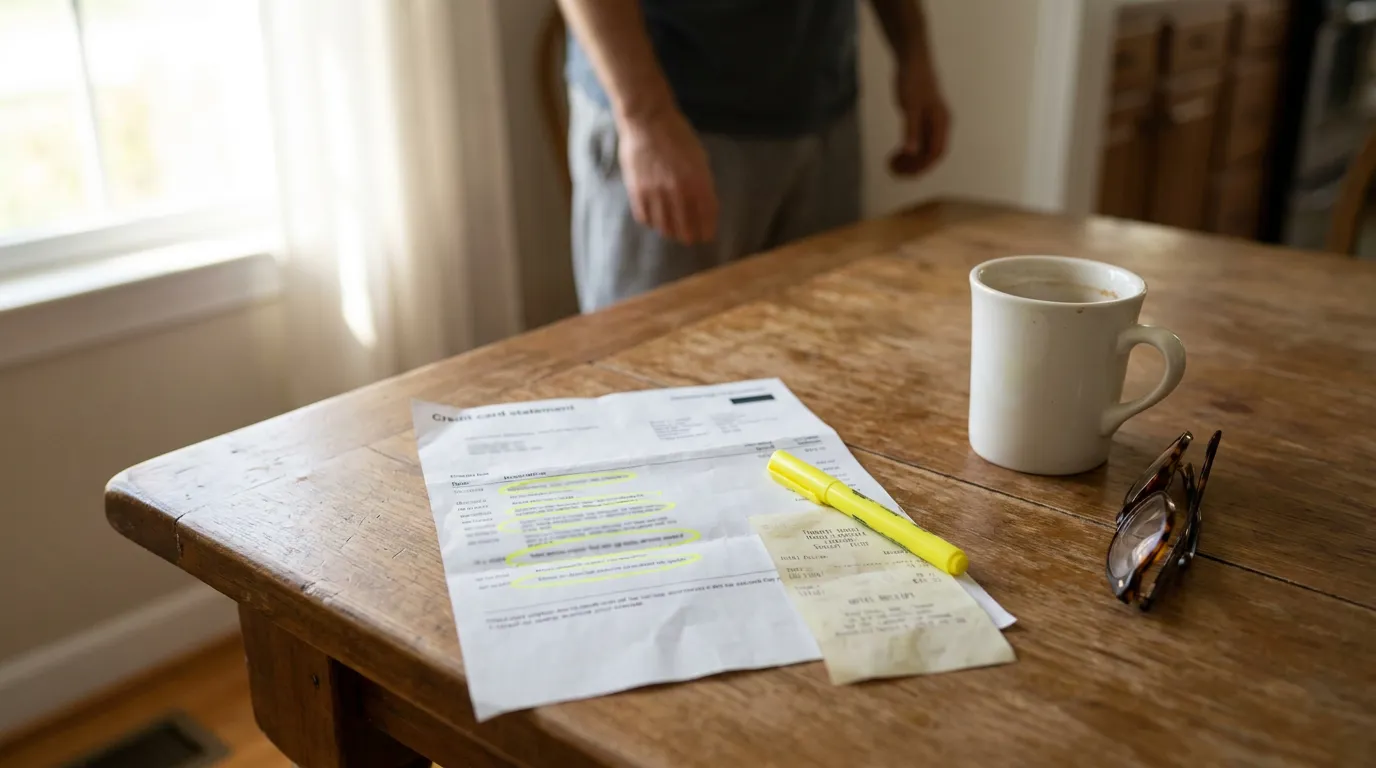
- Credit card statements, bank records, or receipts for hotels, gifts, or travel
- Testimony from friends, family members, or others who saw the relationship
- The accused spouse’s own admissions, in testimony or in writing
Opportunity and Inclination
Evidence of opportunity shows that the spouse and the affair partner had time alone together. Hotel receipts, travel records, or reports of overnight stays may help establish this. Inclination evidence shows romantic or sexual interest, such as affectionate messages or public displays of affection. Courts look at the full picture, and a single piece of evidence may not be enough.
💡 Pro Tip: Collect evidence lawfully. Getting into a spouse’s private accounts or devices without permission can raise serious legal problems, and improperly obtained evidence can hurt your case. Talk with your attorney before you gather digital evidence.
How Spousal Testimony Works in Proving Adultery in Texas
Under Texas Family Code § 6.704(a), a husband and wife are competent witnesses for and against each other in a divorce. Your own testimony may be used as evidence of adultery, and your spouse may be called to testify. There are limits, though.
The Self-Incrimination Limit
The same provision says a spouse may not be compelled to testify about a matter that would incriminate that spouse. This can limit how much an accused spouse must say on the stand or in discovery. In a civil case, though, a court or jury may be allowed to draw a negative inference when a party refuses to answer. Because of this protection, independent evidence often carries more weight than trying to get an admission at trial.
Credibility Decides the Weight
Under Texas Family Code § 6.704(b), if a spouse testifies, the court or jury decides how credible the spouse is and how much weight the testimony deserves. Testimony that stands alone may be less persuasive than testimony backed by documents, photos, or other witnesses. That is why careful documentation matters from the beginning.
How Affair Spending Can Affect Property Division
When a spouse spends marital money on an affair, Texas law may offer a financial remedy. Under Texas Family Code § 7.009(a)-(b), if the court finds a spouse committed actual or constructive fraud on the community, it must calculate how much the community estate was reduced. The court then divides the "reconstituted estate," meaning the estate as if the fraud had not happened, in a way it considers just and right. Under § 7.009(c), the court may award money judgments or a share of the existing community estate to make up for the loss. You can review the Texas community property division rules in Chapter 7 of the Family Code.
This remedy can be especially important in high-asset divorces. Gifts, trips, rent, or other support paid to an affair partner may add up to large amounts. Financial records showing this spending may support both the adultery claim and a fraud on the community claim. Discovery is often how this spending comes to light.
| Evidence Type | Supports Adultery Claim | Supports Fraud on the Community Claim |
|---|---|---|
| Messages and photos | Yes, shows inclination | Generally no |
| Hotel and travel receipts | Yes, shows opportunity | Yes, if paid with community funds |
| Gifts to affair partner | Yes, shows relationship | Yes, if paid with community funds |
| Witness testimony | Yes | Sometimes, depending on the facts |
💡 Pro Tip: Ask your attorney early about subpoenas and discovery requests for bank and credit card records. Statements may show spending patterns you could not see on your own.
Defenses That May Arise in an At Fault Divorce in Texas
Texas has done away with some traditional defenses to fault-based divorce. Under Texas Family Code § 6.008(a), the defenses of recrimination and adultery are abolished. An accused spouse generally cannot block a fault finding by arguing that you also cheated. Even so, both spouses’ conduct may still be considered when the court divides property.
Condonation and Forgiveness
Condonation means forgiving the misconduct, and it works as a defense only in narrow circumstances. Under Texas Family Code § 6.008(b), condonation is a defense only if the court finds a reasonable expectation that the spouses will reconcile. Forgiving an affair in the past does not automatically defeat an adultery claim.
Preparing Your Case With Care
Building a strong adultery claim usually starts with organized, lawfully obtained records. Keep copies of relevant messages, note important dates, and save financial statements you have legitimate access to. If children are involved, keep their wellbeing at the center of every decision. Courts decide custody based on the best interests of the child, not to punish a parent for an affair. An affair generally matters to custody only if it affects the children.
Choosing a collaborative path can still make sense even when fault is involved. Adultery evidence may create leverage in settlement talks or mediation without a contested trial. An experienced at fault divorce Texas lawyer can help you weigh your options. You can also learn more on our Texas family law insights page.
Frequently Asked Questions
1. Do I need a photo or eyewitness to prove adultery in Texas?
No, not necessarily. Courts generally accept circumstantial evidence showing opportunity and inclination, as long as it is clear and positive rather than mere suspicion.
2. Can my spouse refuse to answer questions about the affair?
Under Texas Family Code § 6.704(a), a spouse may not be compelled to testify about a matter that would incriminate that spouse. This can limit testimony, so independent evidence is often important.
3. Will proving adultery get me a larger share of the property?
It may. Courts have discretion to consider fault when dividing community property, and a finding of adultery may support a disproportionate division. Fault is only one of many factors, though, and the division need not be punitive.
4. My spouse says I cheated too. Does that end my claim?
Generally, no. Texas Family Code § 6.008(a) abolishes recrimination and adultery as defenses, so your spouse cannot defeat your adultery ground on that basis. Your own conduct may still be considered in the property division.
5. I forgave the affair once. Can I still raise it?
Generally, yes. Under Texas Family Code § 6.008(b), condonation is a defense only if the court finds a reasonable expectation of reconciliation.
Moving Forward With Clarity and Confidence
Proving adultery in Texas usually depends on clear, well-documented evidence rather than any single piece of proof. Texas Family Code § 6.003 allows a divorce on this ground, spousal testimony rules shape what can be presented, and § 7.009 may address marital money spent on an affair. Each case turns on its own facts, so careful preparation matters.
If you are facing an at fault divorce in Texas, Angela Faye Brown & Associates can help you understand your options with compassion and care. Call 713-936-2677 or schedule a consultation to take the next step.
Disclaimer: This content is for informational purposes only and is not legal advice. Every case is unique, and results may vary. Consult an attorney about your specific circumstances.